




Trauma and addiction recovery are more connected than most people realize. Many people who struggle with addiction also carry deep wounds from their past. These wounds whether from abuse, loss, or violence often drive a person toward drugs or alcohol as a way to cope. Without treating both, lasting recovery is hard to achieve.
Understanding this link is the first step. When you know why trauma fuels addiction, you can find the right help. The right treatment addresses both at the same time, giving you a real shot at a healthy life.
How Trauma Leads to Addiction
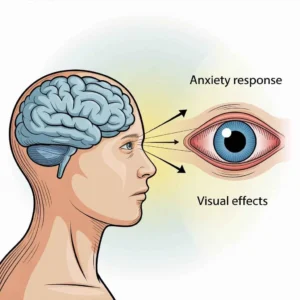
Unresolved trauma and addiction have a well-documented relationship. When someone goes through painful traumatic events abuse, neglect, accidents, or loss the brain changes. Research shows trauma can alter brain structure and the way the nervous system responds to stress.
Over time, people may turn to drugs or alcohol to numb the pain. At first, it felt like relief. But slowly, developing an addiction becomes a new problem. What started as a way to survive trauma became a trap.
This is why trauma and addiction rarely exist alone. One feeds the other. Ignoring one makes the other worse.
What Is PTSD and How Does It Connect?
Post-traumatic stress disorder PTSD is a mental health condition that develops after a traumatic experience. Flashbacks, nightmares, intense anxiety, and emotional numbness are common symptoms.
PTSD and addiction: often occur together. Studies show that people with PTSD are two to four times more likely to develop a substance use disorder. This is sometimes called a co-occurring disorder or dual diagnosis.
PTSD and substance abuse: form a cycle. PTSD symptoms push someone toward alcohol or drugs. The substance use then worsens PTSD symptoms. Breaking that cycle requires treating both at once.
Many people also ask, does Wellbutrin help with anxiety? While Wellbutrin (bupropion) is an antidepressant sometimes used off-label for anxiety, it is not a first-line treatment for PTSD-related anxiety. A medical professional should always guide this decision.
The Science Behind Co-Occurring PTSD and SUD
Co-occurring PTSD and SUD affect millions of people worldwide. The National Institute on Drug Abuse notes that among people in substance abuse treatment, PTSD rates are three to four times higher than in the general population.
Why does this happen? Trauma changes the brain’s reward and fear systems. The same circuits involved in fear response are also involved in addiction. This overlap makes PTSD and substance abuse hard to separate.
Dual diagnosis treatment is now the gold standard. It means treating the mental health condition and the addiction at the same time, not one after the other.
Signs That Trauma Is Driving Your Addiction
Not everyone connects their struggles with addiction to past pain. Here are common signs that trauma may be at the root:
- You use substances after triggers like certain smells, sounds, or places
- You have nightmares or flashbacks that you try to block out with alcohol
- You feel emotionally numb when sober
- You avoid people, places, or conversations that remind you of the past
- You feel shame or guilt that you cannot explain
If any of these sound familiar, trauma focused treatment can help. Reaching out to a specialist is not a weakness. It is the smartest step you can take.
Evidence-Based Treatments for Trauma and Addiction Recovery
The good news is that evidence based treatments work. Here are the most effective options backed by clinical research.
Cognitive Behavioral Therapy (CBT)
Cognitive behavioral therapy helps you identify thought patterns that drive harmful behavior. It is widely used in both treating PTSD and addiction treatment. CBT teaches you to challenge negative thoughts and replace them with healthier responses.
It is one of the most researched therapies for addiction and trauma recovery, with strong results across many populations.
Trauma-Focused CBT and EMDR
Trauma focused versions of CBT go deeper into the original wound. Eye Movement Desensitization and Reprocessing (EMDR) is another evidence based therapy that helps the brain process stuck memories. Many people find relief from PTSD symptoms after just a few sessions of EMDR.
Group Therapy for Anxiety and Trauma
Group therapy for anxiety and trauma gives survivors a safe space to share. Hearing others’ experiences reduces shame and isolation. It builds connection, which is one of the strongest tools in addiction recovery.
Group sessions also teach coping skills in a supportive setting. Research shows group therapy improves outcomes when combined with individual treatment.
Medication-Assisted Treatment (MAT)
Some people benefit from medication to manage withdrawal or mental health symptoms during trauma therapy and addiction treatment. Medications like naltrexone, buprenorphine, or certain antidepressants may be prescribed as part of a broader plan.
Trauma-Informed Care
Trauma informed care is not a single therapy. It is an approach. Every staff member, every session, every policy is designed with trauma in mind. It avoids re-traumatization and builds trust, which is essential for people who have been let down before.
The Role of Trauma-Informed Care in Addiction Treatment Programs
Trauma informed care has become a foundation of quality addiction and trauma recovery programs. It means:
- Staff are trained to understand trauma responses
- Clients are never blamed for their symptoms
- Safety and trust are built before deep work begins
- Clients have control over their treatment choices
Programs that use trauma informed care see better retention, lower dropout rates, and better long term outcomes.
Long-Term Recovery: What It Actually Looks Like
Long term recovery from trauma and addiction is not a straight line. It includes setbacks, growth, and a lot of learning. Here is what it often looks like over time:
- Early recovery (0-6 months): Stabilization, detox if needed, building safety
- Middle recovery (6-18 months): Processing trauma, building new coping tools
- Sustained recovery (18+ months): Rebuilding relationships, finding purpose, ongoing support
Support systems matter. Whether it is a therapist, a peer group, or family, connection is central to addiction recovery.
Why Treating Both at the Same Time Matters
A common mistake in older treatment models was treating addiction first, then trauma later. Research now shows this approach fails many people. Unaddressed PTSD causes relapse. Unresolved trauma and addiction cannot be separated cleanly.
Dual diagnosis treatment addresses both at once. This is not more overwhelming. It is more effective. When you understand why you used, you are better equipped to stop.
How MRSC Solutions Can Help
At MRSC Solutions, we understand how deeply trauma shapes addiction. Our PTSD Treatment West Palm Beach program is built on trauma informed care principles, combining cognitive behavioral therapy, group support, and individualized care plans.
Our team works with people dealing with PTSD and addiction, co-occurring PTSD and SUD, and complex trauma histories. We do not just treat symptoms. We help you understand your story and build a new one.
If you or someone you love is ready to take the next step, we are here to walk that path with you.
Conclusion
Trauma and addiction recovery require treating the whole person, not just the symptoms. When unresolved trauma and addiction are addressed together through evidence based, trauma focused care, real healing becomes possible. You do not have to choose between mental health treatment and addiction recovery. You deserve both. Contact us today and take the first step toward a life that feels worth living. Our PTSD Treatment West Palm Beach team is ready to help.
Frequently Asked Questions
What is the link between trauma and addiction?
Trauma changes brain function and coping patterns. Many people turn to substances to manage pain from traumatic events, leading to addiction over time.
What is dual diagnosis treatment?
Dual diagnosis treatment addresses both a substance use disorder and a co-occurring mental health condition like PTSD at the same time.
Does trauma therapy work for addiction?
Yes. Trauma-focused therapies like CBT and EMDR have strong evidence for improving both PTSD and substance use outcomes.
What is trauma-informed care?
It is an approach where the entire treatment environment is designed to avoid re-traumatization and build safety and trust with clients.