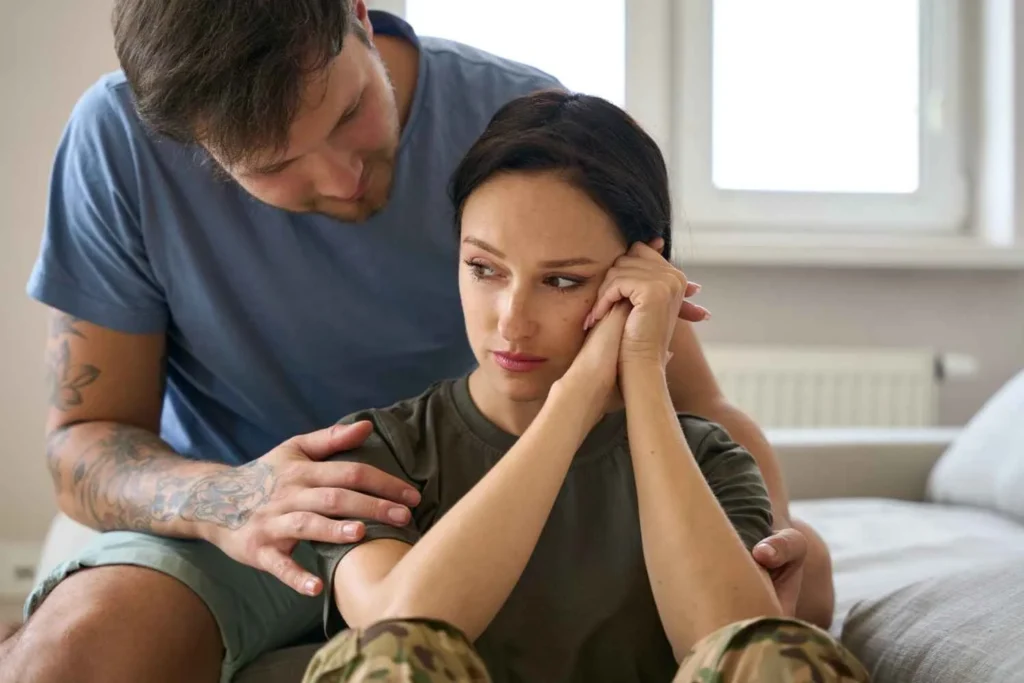




Why do people with PTSD isolate themselves from the world around them? It is one of the most common and painful patterns seen in trauma survivors. ptsd and isolation go hand in hand, and understanding this connection is the first step toward healing. When someone has been through a traumatic event, the mind and body respond in ways that feel protective but can become deeply damaging over time.
Many people do not realize that withdrawing from others is not a personal choice. It is a symptom of ptsd that affects millions worldwide. This article breaks down the real reasons behind this behavior and what you can do about it.
What Is PTSD Isolation and Why Does It Happen
PTSD isolation refers to withdrawing from family, friends, and social settings following trauma experiences. This behavior should not be perceived as lazy or rudeness but as the body trying to stay safe from further danger.
Post-traumatic Stress Disorder alters how people view the world. Danger is perceived everywhere and people can seem like threats which leads to a slow retreat from daily activities, social gatherings and even relationships with loved ones.
Why Do People with PTSD Isolate: The Core Reasons
1. Trust Issues After Trauma
Trust issues after trauma are among the most powerful drivers of isolation. When trauma involves another person, like abuse, assault, or betrayal, the brain learns a dangerous lesson: people hurt you.
This belief does not just apply to strangers. It can affect close relationships too. Survivors may pull away from partners, parents, or friends because the risk of being hurt again feels too high.
2. Feeling Misunderstood
Feeling misunderstood is another core trigger. Trauma changes a person deeply, and many survivors feel that no one around them truly gets what they went through. This creates a painful gap between them and others.
When someone tries to share their experience and is met with dismissal, minimization, or advice that misses the point, they stop trying. Isolation becomes easier than the pain of explaining.
3. Social Anxiety and Hypervigilance
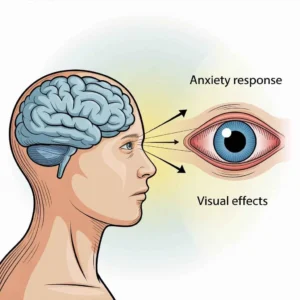
Social anxiety is common among trauma survivors. Public spaces, crowds, and even small gatherings can feel unsafe. The nervous system is stuck in a heightened state, scanning for danger at all times.
This hypervigilance is exhausting. Many survivors find it easier to avoid situations that trigger this reaction altogether. Avoiding people becomes a way to manage an overactive stress response.
4. Emotional Detachment as a Survival Tool
Emotional detachment is a coping mechanism that many PTSD sufferers develop. The brain numbs emotions to protect itself from pain. But this numbness bleeds into relationships too.
When someone cannot feel joy, love, or connection clearly, being around people feels hollow. They may go through the motions but feel nothing. Over time, they withdraw because connection feels pointless or impossible.
5. Relationship Difficulties
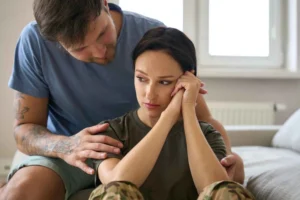
Relationship difficulties are a natural result of untreated PTSD. Mood swings, anger, emotional unavailability, and reactivity put strain on bonds. Many survivors push people away before those people can leave on their own.
The fear of abandonment or conflict can make a person pre-emptively end connections. This painful pattern often worsens isolation rather than preventing hurt.
Complex PTSD and Isolation: A Deeper Pattern
Complex PTSd (Complex Posttraumatic Stress Disorder or C-PTSD) and isolation go further than standard PTSD. C-PTSD often develops from repeated or prolonged trauma such as childhood abuse, domestic violence or long-term neglect.
People suffering from C-PTSD typically have an extremely damaged sense of themselves. They may feel broken, unworthy of love, and incapable of maintaining normal relationships; making the cycle of isolation harder to break because their core belief drives the isolation rather than what happened in their past lives.
C-PTSD sufferers can isolate themselves by withdrawing completely from social networks and refusing all invitations; their withdrawal isn’t selective but total.
The Cycle of Isolation in PTSD
The cycle of isolation works like this: trauma causes pain, pain causes withdrawal, withdrawal causes loneliness, loneliness worsens PTSD symptoms, and worsening symptoms cause further withdrawal. It is self-reinforcing.
Here is how the cycle typically progresses:
- Traumatic event triggers fear, shame, or emotional pain
- Survivor pulls away to avoid more pain or triggers
- Lack of social support increases feelings of depression and hopelessness
- PTSD symptoms intensify without support
- Survivor withdraws even further
Breaking this cycle requires intentional effort, often with professional help. Simply deciding to “be more social” rarely works because the root problem is unresolved trauma.
The Role of Lack of Social Support in PTSD
Lack of social connection is both the cause and consequence of PTSD isolation, while strong social bonds provide powerful protection from its development in the first place. Research demonstrates this fact time after time.
Loss or withdrawal from support networks deprives survivors a key source for trauma recovery: no one to reality-check their fears, provide comfort or remind them that safety exists.
Social support doesn’t mean being immersed in people; rather, it means finding at least two trusted individuals who understand and accept you – even minimal connections can break the cycle of isolation.
Proven PTSD Coping Skills That Address Isolation
The good news is that isolation is not permanent. Several Proven PTSD Coping Skills can help survivors slowly rebuild connection and reduce the pull toward withdrawal.
Trauma-Focused Therapy
Therapies like EMDR (Eye Movement Desensitization and Reprocessing) and Cognitive Processing Therapy directly address the traumatic memories driving isolation. When the root fear is treated, the need to withdraw often decreases naturally.
Gradual Social Re-Exposure
Small, controlled steps back into social situations can help. This means starting with one safe person in a low-stress environment. The goal is not to flood the nervous system but to slowly prove that connection is possible.
Coping Mechanisms for PTSD in Daily Life
Coping mechanisms for PTSD such as grounding techniques, breathing exercises, and journaling can reduce the anxiety that drives isolation. When a survivor feels less overwhelmed, they are more able to engage with others.
Building a Support Group
Connecting with others who understand trauma, through peer support groups or PTSD communities, can be transformative. Feeling understood breaks the wall of isolation without requiring explanations.
How Online PTSD Treatment Can Help
Many survivors find leaving their house to accessing help an obstacle. Online PTSD Treatment provides a powerful alternative, eliminating crowded waiting rooms, unfamiliar environments or long commutes as an impediment to seeking assistance.
How Does Online Psychiatry Work
How Does Online Psychiatry Work? It is simpler than most people expect. A licensed therapist or psychiatrist meets with you via a secure video call, phone session, or even messaging platform. You access care from your home, on your schedule.
Online psychiatry can provide medication management, trauma-focused therapy, diagnostic assessments, and ongoing mental health support. It is a legitimate and increasingly preferred model of care.
For PTSD survivors who isolate, online care reduces the barriers significantly. There is no need to force yourself into a waiting room when you are struggling with social anxiety or hypervigilance.
Trauma Recovery: What the Path Forward Looks Like
Trauma recovery is not a straight line. It involves setbacks, progress, and learning to tolerate discomfort in small doses. But recovery is real and achievable, even for those deep in isolation.
The key markers of progress in trauma recovery include:
- Reduced reactivity to everyday triggers
- Increased ability to tolerate being around others
- A growing sense of safety in relationships
- More stable mood and emotional regulation
- Reconnection with purpose and identity beyond the trauma
Mental health support plays a central role in this process. No one should have to recover alone, and professional guidance makes the journey safer and more effective.
PTSD Treatment West Palm Beach FL: Getting Real Help
If you or someone you love is struggling with ptsd isolation and needs in-person or virtual support, MRSC Solutions offers specialized care. Our team provides evidence-based PTSD Treatment West Palm Beach FL, designed around the unique needs of trauma survivors.
Whether you need in-person therapy, medication management, or Online PTSD Treatment, We have clinicians trained specifically in trauma. We understand that reaching out is hard. That is why we make access as simple as possible.
We know that why do people with PTSD isolate is not a simple question with a simple answer. Every person’s trauma story is different. Our care reflects that.
Signs That PTSD Isolation Is Getting Worse
It is important to recognize when isolation has moved from occasional withdrawal to a serious pattern.
Watch for these signs:
- Canceling plans consistently without explanation
- Avoiding phone calls or texts for days or weeks
- Quitting jobs, hobbies, or activities that once brought joy
- Expressing a belief that no one cares or that they are a burden
- Physical changes like poor hygiene, weight changes, or sleep issues
These signs often indicate that ptsd treatment is urgently needed. Early intervention prevents the isolation cycle from becoming entrenched.
How to Support Someone Who Is Isolating Due to PTSD
If you love someone who is withdrawing, your approach matters. Pushing too hard often backfires.
Here is what actually helps:
- Reach out consistently without demanding a response
- Avoid phrases like ‘just get over it’ or ‘other people have it worse’
- Offer specific help rather than vague offers like ‘let me know if you need anything’
- Educate yourself on PTSD so you can respond with empathy
- Encourage professional help without pressure or ultimatums
Being a steady, non-judgmental presence is often the most powerful thing you can do. It builds the social support that survivors desperately need but struggle to accept.
Conclusion
Why do people with PTSD isolate? Because trauma teaches the mind that the world is dangerous and people cannot be trusted. Emotional detachment, social anxiety, trust issues after trauma, and feeling misunderstood all combine to create a retreat that feels necessary but causes more harm over time.
The cycle of isolation can be broken with the right support, whether through therapy, peer connection, or Online PTSD Treatment. Recovery is not easy, but it is possible. If you are ready to take the first step, we are here to help. Contact us today to learn more about our PTSD Treatment West Palm Beach FL services and start your path toward healing.
Frequently Asked Questions (FAQs)
Is isolation a symptom of PTSD?
Yes. Isolation is a common symptom of PTSD. Many trauma survivors withdraw from family, friends, and social activities because they feel unsafe, overwhelmed, or emotionally exhausted. While isolation may feel protective at first, it can worsen PTSD symptoms over time.
Why do people with PTSD push loved ones away?
People with PTSD often push loved ones away because of trust issues after trauma, fear of vulnerability, emotional detachment, or concerns about being misunderstood. This behavior is usually a coping response rather than a lack of love or care.
Can PTSD cause someone to stop talking to friends and family?
Yes. PTSD can lead to avoidance behaviors that make a person withdraw from social connections. They may stop returning calls, cancel plans, or avoid conversations because social interaction feels emotionally draining or triggering.
What is the connection between PTSD and isolation?
The connection between PTSD and isolation is strong. Trauma symptoms such as hypervigilance, anxiety, emotional numbness, and fear of judgment can make social situations feel stressful. As a result, many people choose isolation as a way to cope.
How does complex PTSD affect relationships?
Complex PTSD often causes deeper relationship challenges than standard PTSD. People with complex PTSD may struggle with trust, self-worth, emotional regulation, and intimacy, making it harder to build and maintain healthy relationships.