
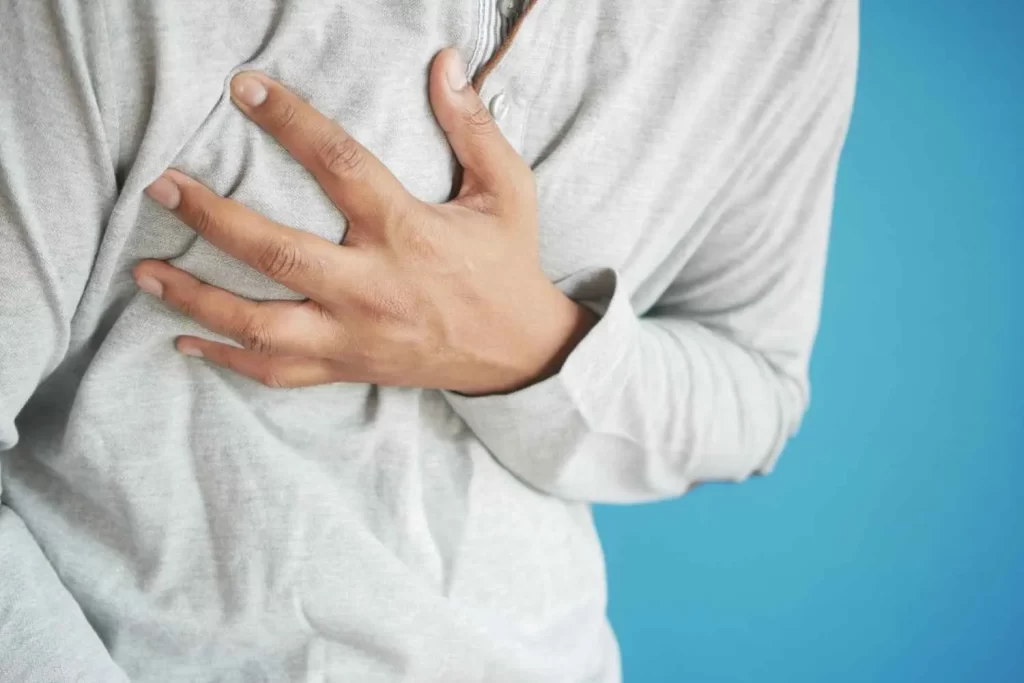




Chest pain is one of the most frightening symptoms people feel during anxious moments. It catches you off guard, makes your heart race, and leaves you wondering if something is seriously wrong. Why does anxiety cause chest pain is one of the most searched health questions online and for good reason.
The answer is rooted in biology, not imagination. Your body reacts to emotional stress the same way it reacts to physical danger. Understanding this connection can ease your fear and help you take control.
What Happens in Your Body During Anxiety
When anxiety hits, your brain triggers the fight or flight response and chest tightness almost instantly. Your adrenal glands flood your bloodstream with adrenaline and cortisol. These stress hormones prepare your body to either fight or run.
Here is what that looks like physically:
- Heart rate increases sharply
- Breathing becomes faster and shallow
- Muscles in the chest wall tighten
- Blood flow shifts away from your digestive system
This cascade of reactions puts real mechanical stress on your chest. The intercostal muscles, the small muscles between your ribs, go into spasm. That is the sharp, stabbing sensation many people describe.
This is not a sign of weakness. It is your nervous system doing exactly what it was designed to do.
The Role of Hyperventilation
One of the most overlooked psychological causes of chest discomfort is hyperventilation and chest pressure. When anxious, people breathe too fast without realizing it. This drops carbon dioxide levels in the blood.
Low CO2 causes blood vessels to constrict. It also triggers tingling, dizziness, and a tight feeling across the chest. Many people mistake this for a heart problem.
This explains why anxiety chest pain symptoms often include more than just chest tightness. You may also notice:
- Shortness of breath
- Heart palpitations
- Numbness or tingling in the arms
- Dizziness or lightheadedness
- Nausea or an upset stomach
- Sweating without physical exertion
All of these are stress-induced physical symptoms real, measurable, and tied directly to your mental state.
Can Anxiety Cause Sharp Chest Pain?
Yes. Can anxiety cause sharp chest pain is a question many people ask after a panic episode. The answer is yes, and the pain can feel sudden and intense.
The sharpness comes from muscle spasms in the chest wall. It can also come from esophageal spasms, which anxiety triggers as well. These spasms mimic the sensation of cardiac pain closely enough to send people to the emergency room.
The important distinction: anxiety chest pain symptoms tend to shift location. Heart attack pain usually stays in one spot often the center or left side of the chest and radiates to the jaw or left arm.
Panic Attack Chest Pain vs Heart Attack: Know the Difference
The panic attack chest pain vs heart attack comparison is one of the most critical things to understand. Both feel serious. Both can feel sudden. But there are key differences.
| Anxiety / Panic Attack | Heart Attack |
| Pain often sharp or stabbing | Pain often described as pressure or squeezing |
| May move around the chest | Usually stays in one location |
| Peaks within minutes, then fades | Pain may build and persist |
| Often tied to a stressful trigger | Can happen at rest with no clear trigger |
| Comes with racing thoughts and fear | May come with jaw, arm, or back pain |
| Improves with slow breathing | Does not improve with breathing techniques |
If you are ever unsure, seek medical attention. Do not self-diagnose a heart attack.
When asking how do I know if chest pain is from anxiety or heart problem, the clearest sign of anxiety chest pain is that it improves when the stressful situation passes or when you practice slow, controlled breathing.
How Long Does Anxiety Chest Pain Last
How long does anxiety chest pain last depends on the person and the cause. During a panic attack chest tightness typically peaks within 10 minutes. Most symptoms fully pass within 20 to 30 minutes.
Chronic anxiety is different. Persistent anxiety keeps the body in a low-level stress state. This can cause recurring chest tightness that lingers for hours or even days. The muscles around the ribcage stay partially contracted. That creates a dull, ongoing pressure.
If chest discomfort lasts more than a few hours without a clear panic trigger, get evaluated by a doctor. Do not assume it is anxiety. Rule out cardiac causes first.
Why Do I Feel Chest Pain When I’m Anxious: The Science Behind It
Why do I feel chest pain when I’m anxious comes down to one simple process: your brain cannot tell the difference between a real threat and a perceived one.
Whether you are facing a tiger or a high-stakes meeting, the physical response is the same. Adrenaline surges. Muscles tighten. Your heart pounds. This is normal.
The problem starts when the threat never goes away when anxiety becomes a constant background noise rather than a temporary response.
Chronic psychological causes of chest discomfort include:
- Generalized Anxiety Disorder (GAD)
- Panic Disorder
- Post-Traumatic Stress Disorder (PTSD)
- Social Anxiety Disorder
- ADHD and Depression (both linked to heightened physical stress responses)
- OCD vs Anxiety (both trigger rumination cycles that keep the nervous system activated)
Understanding which condition is driving your symptoms matters. It shapes the right treatment path.
Can Stress Make Your Chest Hurt Suddenly
Can stress make your chest hurt suddenly even when you feel calm on the surface? Yes. This is one of the most misunderstood aspects of anxiety.
Many people carry stress unconsciously. The body holds tension even when the conscious mind has moved on. That is why chest pain sometimes hits out of nowhere, during rest, or even during sleep.
This is also why spiraling meaning matters in mental health conversations. When anxious thoughts spiral building on each other rapidly the physical response escalates fast. The chest tightens. Breathing shortens. The spiral feeds itself.
Recognizing when your thoughts are spiraling is a key step in breaking the physical cycle.
Is Chest Tightness From Anxiety Dangerous
Is chest tightness from anxiety dangerous in the long term? If left untreated, chronic anxiety takes a toll.
Short-term anxiety chest pain is not medically dangerous on its own. But years of unmanaged anxiety raise cortisol levels chronically. That increases the risk of high blood pressure, cardiovascular strain, and inflammation.
This is why treatment matters not just for your mental health, but for your physical health too.
Severe depression signs, suicidal thoughts, and mood swings affecting life are signals that anxiety has crossed into something that needs professional support. Do not wait until symptoms become unbearable.
When to Seek Help for Anxiety Chest Pain
Knowing when to see a psychiatrist versus a primary care doctor can feel confusing. Here is a simple guide:
See a doctor immediately if:
- Chest pain is severe, persistent, or spreads to your arm, jaw, or back
- You experience shortness of breath with no clear trigger
- Pain occurs during physical activity
See a mental health professional if:
- Chest pain consistently accompanies anxious thoughts
- You have had a cardiac workup and your heart is healthy
- Anxiety is limiting your daily life
Understanding psychiatrist vs psychologist is also important. A psychiatrist is a medical doctor who can prescribe medication for anxiety and related conditions. A psychologist provides therapy vs psychiatric care both are valuable, and they often work together.
Group Therapy for Anxiety is another effective option many people overlook. Sharing experiences in a structured group setting reduces the isolation that makes anxiety worse. Similarly, Mental Health Activities for Teens like mindfulness, creative expression, and structured movement build coping skills early.
How to Manage Anxiety Chest Pain at Home
Before professional treatment begins, these steps can reduce the intensity of stress-induced physical symptoms:
Controlled breathing: Breathe in for 4 counts, hold for 4, exhale for 6. This raises CO2 levels and relaxes the chest muscles.
Grounding techniques: Focus on 5 things you can see, 4 you can touch, 3 you can hear. This breaks a spiraling thought loop quickly.
Progressive muscle relaxation: Tense and release each muscle group starting from your feet. This directly reduces chest wall tension.
Limit caffeine and alcohol: Both amplify the nervous system’s stress response and worsen fight or flight response and chest tightness.
Regular movement: Even a 20-minute walk daily lowers baseline cortisol and reduces the frequency of anxiety chest pain symptoms.
Professional Treatment Options That Work
Treatment for anxiety-related chest pain targets both the mind and the body.
Cognitive Behavioral Therapy (CBT): is the most evidence-backed approach. It rewires the thought patterns that trigger the fight or flight response.
Medications including SSRIs and beta-blockers can reduce the physical intensity of anxiety episodes. A psychiatrist evaluates whether medication is appropriate based on severity.
Anxiety Treatment West Palm Beach at MRSC Solutions combines clinical expertise with compassionate, individualized care. Our team understands that anxiety chest pain is not just a symptom it is a signal. We help clients address the root cause, not just the feeling.
Whether you are dealing with persistent anxiety, managing ADHD and Depression, navigating OCD vs Anxiety, or recognizing severe depression signs for the first time, MRSC Solutions provides a clear path forward.
Conclusion
Why does anxiety cause chest pain is not a mystery, it is a physical response to emotional overload. Your body is trying to protect you. But when anxiety becomes chronic, that protection turns into pain that affects your daily life.
The good news: this is treatable. Understanding your symptoms is the first step. Getting the right support is the next step.
If anxiety is affecting your quality of life, do not ignore it. Contact us and explore Anxiety Treatment West Palm Beach professional, personalized care that helps you feel like yourself again.
FAQs: Why Does Anxiety Cause Chest Pain
Why does anxiety cause chest pain?
Anxiety activates the body’s fight or flight system. This releases stress hormones that increase heart rate, tighten chest muscles, and change breathing patterns. These combined effects create real physical chest pain, even when the heart is healthy.
Can anxiety cause sharp chest pain?
Yes. Can anxiety cause sharp chest pain is common in panic episodes. Sharp pain usually comes from chest muscle spasms or rib muscle tension. It can feel sudden but often shifts or improves when anxiety reduces.
How do I know if chest pain is from anxiety or heart problems?
A key sign is pattern and response. Anxiety pain often comes with fear, fast breathing, and improves with relaxation. Heart-related pain usually feels like pressure and may spread to the arm, jaw, or back. If unsure, always seek medical help.
What is panic attack, chest pain vs heart attack?
panic attack chest pain vs heart attack differs in duration and feel. Panic pain is sharp, short, and linked to stress. Heart attack pain is usually heavy, squeezing, and does not improve with breathing or rest.
How long does anxiety chest pain last?
How long does anxiety chest pain last varies. During panic, it may peak within 10–20 minutes. In chronic anxiety, mild chest tightness can last hours due to ongoing muscle tension and stress hormones.
Can stress make your chest hurt suddenly?
Yes. can stress make your chest hurt suddenly even without awareness of anxiety. The body can carry hidden stress, which triggers sudden muscle tightening and chest pressure without an obvious emotional trigger.