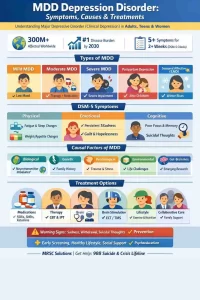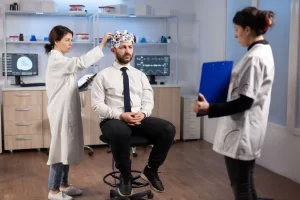
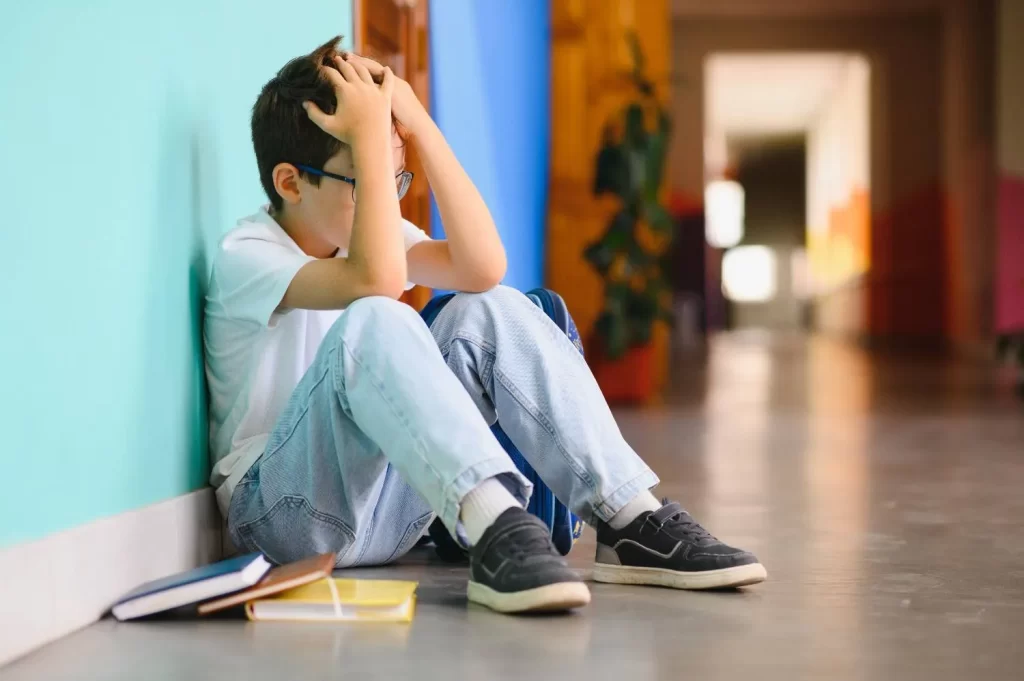
The latest teen mental health news paints a clear picture. Teens are struggling more than ever before. Anxiety, depression, and emotional burnout are rising fast across the United States. Parents, schools, and doctors are all looking for answers.
This article covers teen mental health news today 2026 with real data, expert insights, and clear steps you can take right now. Whether you are a parent, teacher, or counselor, this guide is for you.
Teen Mental Health Statistics 2026: The Numbers That Matter
Understanding teen mental health statistics 2026 starts with looking at the real data. The CDC reports that nearly 1 in 3 high school students felt sad or hopeless for two or more weeks in the past year. That is not a small number.
According to the American Psychological Association, teen anxiety rates have gone up by 25% since 2020. That jump is significant. The numbers behind teenage mental health issues 2026 show a pattern that has been building for years.
Key data points from recent research:
- 42% of high school students reported persistent feelings of sadness or hopelessness (CDC, 2024).
- Teen girls are experiencing depression at twice the rate of teen boys.
- Emergency room visits for teen self-harm increased by 31% between 2019 and 2024.
- Only 50% of teens with mental health conditions received any treatment in the past year.
These figures make adolescent mental health news 2026 more urgent than ever. Awareness alone is not enough. Action is needed.
The Teen Mental Health Crisis: What Is Driving It?
The teen mental health crisis has multiple causes. No single factor explains it all. But researchers have identified several key drivers that are making things worse for teens today.
Social Media and Screen Time
The social media impact on teen mental health is well documented. Studies from Harvard and Stanford both found that teens who use social media more than 3 hours a day are significantly more likely to report depression and anxiety. The comparison culture on platforms like TikTok and Instagram creates unrealistic expectations.
A 2025 study published in JAMA Pediatrics found that reducing screen time by just one hour a day led to measurable improvements in teen mood and sleep quality. This is not about banning phones. It is about helping teens build healthier habits around technology.
Post-Pandemic Mental Health Fallout
The COVID-19 pandemic disrupted school, friendships, and routine for teens at a critical stage of development. Youth mental health awareness groups report that many teens are still catching up emotionally. Social isolation during formative years left lasting effects on how teens handle stress and build relationships.
Academic Pressure and Performance Anxiety
School stress is another major factor. Mental health issues among teenagers are often tied to academic pressure. College admission stress, test anxiety, and the fear of failure are pushing teens to their limits. When that pressure becomes overwhelming, some teens start showing signs that parents sometimes miss.
If you notice your teen seems stuck in a cycle of worry, distress, and negative thinking, it is worth reading about when someone is spiraling. Recognizing that pattern early can make a real difference before it gets worse.
Teen Depression and Anxiety Statistics: What Parents Should Know
Teen depression and anxiety statistics show that these conditions often go hand in hand. About 60% of teens diagnosed with depression also meet the criteria for an anxiety disorder. That overlap is important because it changes how treatment should work.
Warning signs parents should watch for include:
- Pulling away from friends and family
- Dropping grades or loss of interest in school
- Changes in sleep, appetite, or energy levels
- Increased irritability or anger outbursts
- Talking about feeling worthless or like a burden
These symptoms are not just typical teen behavior. They are clinical signals. If you see several of these together, it is time to seek professional help. You.
Teen Suicide Prevention and Awareness: What the Latest Research Shows
Teen suicide prevention and awareness remains one of the most critical topics in teen mental health trends 2026. Suicide is the second leading cause of death among people aged 10 to 24 in the United States. That fact needs to be said plainly.
The latest youth mental health research points to several protective factors that reduce suicide risk. Strong relationships with at least one caring adult cut the risk significantly. School-based mental health programs help. And getting treatment early matters more than anything else.
The 988 Suicide and Crisis Lifeline received over 7 million contacts in 2024 alone. That number shows both the scale of the problem and the fact that many young people are reaching out. Making sure your teen knows help is available is a real and practical step.
If your teen is struggling, treatment options like group therapy for anxiety can provide a safe space to talk with peers who understand what they are going through. Peer connection in a clinical setting is proven to reduce isolation and build coping skills.
New Treatments and Therapies Making Headlines in 2026
Part of the most important adolescent mental health trends in 2026 involves the expansion of evidence-based treatments that are now reaching more teens. Telehealth therapy has opened access for families in rural areas. School-based counseling programs are growing.
One treatment generating both interest and debate is EMDR, or Eye Movement Desensitization and Reprocessing. It is used for trauma-related conditions in teens. If you or a professional has suggested this therapy, it helps to understand why is EMDR so controversial. Some clinicians debate its mechanisms, but research increasingly supports its effectiveness for trauma in adolescents.
Cognitive Behavioral Therapy (CBT) remains the gold standard. It teaches teens to challenge negative thought patterns and build practical coping tools. Research consistently shows it works for both depression and anxiety in young people.
The Role of Schools in Supporting Teen Mental Health
Schools are on the front lines of the teen mental health crisis. Teachers often notice changes in students before parents do. That makes school mental health programs vital.
In 2025, Congress passed the Mental Health Access Improvement Act, expanding funding for school counselors and psychologists. The ratio of students to counselors in many U.S. districts still exceeds 400 to 1. The recommended ratio is 250 to 1. Closing that gap is not optional.
Schools with strong mental health programs report fewer disciplinary incidents, lower dropout rates, and higher academic performance. The connection between mental health and learning is not just emotional. It is academic. When a teen feels safe and supported, they learn better.
What Parents Can Do Right Now: Practical Steps That Work
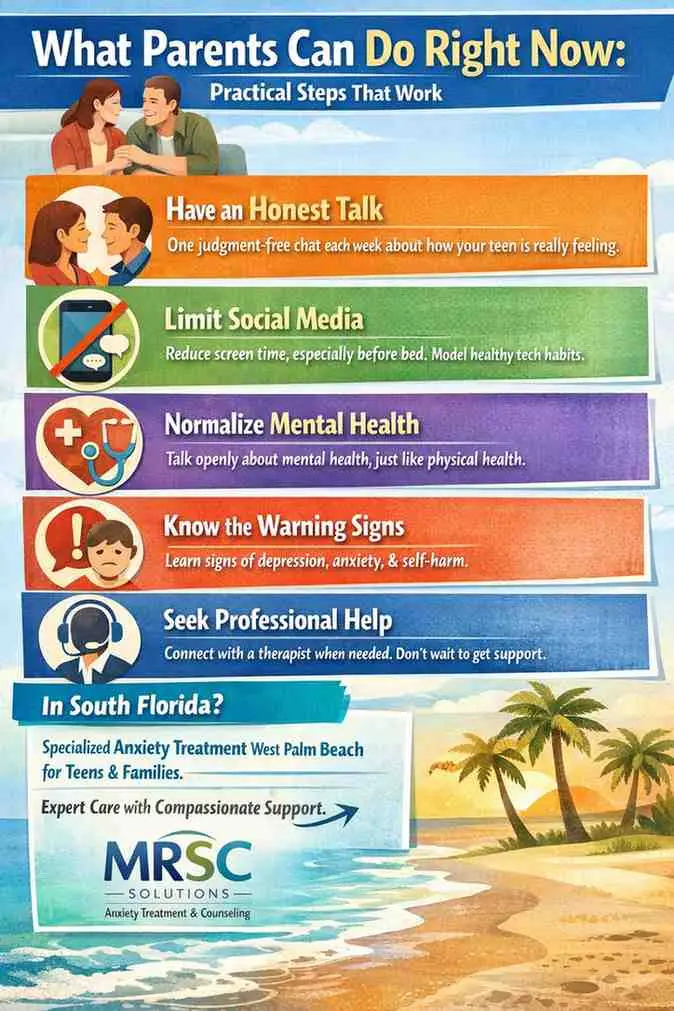
You do not need to be a therapist to help your teen. You need to be present. The latest teen mental health news consistently shows that parental connection is one of the most powerful protective factors available.
Practical steps you can take today:
- Have one honest, judgment-free conversation per week with your teen about how they are really feeling.
- Limit social media use, especially before bed, and model healthy technology habits yourself.
- Normalize mental health conversations the same way you talk about physical health.
- Learn the warning signs of depression, anxiety, and self-harm so you can act early.
- Connect your teen with professional support when needed. Waiting rarely helps.
If your family is based in South Florida, We offer specialized Anxiety Treatment West Palm Beach that is specifically designed for teens and their families. The team at MRSC Solutions combines clinical expertise with compassionate care, making it easier for teens to open up and start healing.
Adolescent Mental Health Trends to Watch in 2026
The most important adolescent mental health trends heading into 2026 include the rise of AI-assisted mental health screening in schools, the growth of peer support programs, and a stronger focus on culturally responsive care.
Research is also focusing more on how race, gender, and economic background affect mental health outcomes for teens. Teen mental health trends 2026 show that LGBTQ+ teens face significantly higher rates of depression and anxiety than their peers. Targeted support programs for these groups are showing strong results in early trials.
There is also growing recognition that physical health and mental health are deeply connected. Sleep, nutrition, and exercise all directly affect mood and cognitive function in teens. Simple changes in these areas can support treatment outcomes.
When to Seek Professional Help for Your Teen
Knowing when to act is not always easy. But the current teen mental health news makes one thing clear. Early intervention leads to better outcomes. Waiting for things to get worse before seeking help is a pattern that delays recovery.
If your teen has shown signs of persistent sadness, anxiety that interferes with daily life, or any talk of self-harm, those are signals that professional support is needed now. A good starting point is speaking with your teen’s pediatrician, who can provide referrals to mental health specialists.
For families dealing with severe or complex cases, understanding when to see a psychiatrist is key. A psychiatrist can evaluate whether medication alongside therapy may be appropriate. This combination is often the most effective approach for moderate to severe conditions in teens.
Conclusion
The latest teen mental health news tells us that this crisis is real, it is growing, and it requires real action from every adult who works with or cares for young people. Statistics matter. But behind every number is a real teen who needs support.
Parents, you are the most powerful force in your teen’s mental health. Schools and professionals can help, but connection at home is where healing often begins. If you are in the West Palm Beach area and need expert guidance, MRSC Solutions is ready to help your family take the next step.
Do not wait for things to get worse. Reach out today and take the first step toward getting your teen the support they deserve.
Frequently Asked Questions
What is the current state of teen mental health in 2026?
Teen mental health in 2026 remains a serious concern. The CDC reports that nearly 1 in 3 high school students experiences persistent sadness or hopelessness. Rates of teen depression and anxiety statistics show no return to pre-pandemic levels. The teen mental health crisis is ongoing, not a temporary phase.
What are the biggest mental health issues among teenagers right now?
The top mental health issues among teenagers in 2026 are anxiety, depression, and social isolation. Academic pressure, family stress, and the social media impact on teen mental health are the three most commonly cited drivers by researchers and clinicians.
How does social media affect teen mental health?
Heavy social media use is linked to sleep problems, lower self-esteem, and higher rates of anxiety. Heavy and problematic social media use is associated with sleep disruption, attention problems, and has addictive qualities Johns Hopkins Bloomberg School of Public Health, according to Johns Hopkins researchers. Teens who use platforms like TikTok or Instagram for more than 3 hours a day show significantly higher rates of depression.
What are the warning signs of mental health problems in teens?
Key warning signs include pulling away from friends, dropping grades, changes in sleep or appetite, increased irritability, and talking about feeling worthless. If these signs last more than two weeks, professional evaluation is recommended. Understanding teen depression and anxiety statistics helps parents recognize when typical teen stress crosses into something that needs clinical attention.
How common is teen suicide, and what can prevent it?
Suicide is the third leading cause of death among those aged 15 to 29 years old WHO globally. Teen suicide prevention and awareness efforts focus on three proven protective factors: strong adult relationships, school-based mental health programs, and early treatment. The 988 Suicide and Crisis Lifeline is available 24/7 by call or text.
What does the latest youth mental health research say about treatment?
The latest youth mental health research supports Cognitive Behavioral Therapy (CBT) as the gold standard for teen anxiety and depression. Telehealth therapy use among adolescents rose 61% from 2022 to 2025 MRSC Solutions LLC, expanding access for families who previously had no options. EMDR is also gaining traction for trauma-related conditions in teens.
How can parents help a teenager struggling with mental health?
Start with open, judgment-free conversations. Limit social media use before bed. Normalize mental health the same way you discuss physical health. If symptoms persist, connect your teen with a professional. Families in South Florida can reach out to MRSC Solutions for specialized Anxiety Treatment West Palm Beach that is built around teen-specific needs.
When should a teen see a psychiatrist versus a therapist?
A therapist is the right first step for most teens. A psychiatrist is needed when symptoms are severe, when therapy alone is not producing results, or when medication may be appropriate. Both can work together as part of a treatment plan. If your teen has been in therapy for several months without improvement, a psychiatric evaluation is worth considering.
Are teen mental health trends improving or getting worse in 2026?
Although the challenges facing young people in 2026 are complex, there is also hope in the way young people remain resilient and how many people and systems are responding to The Jed Foundation, according to the JED Foundation. Access to telehealth, school-based programs, and AI-assisted screening tools are all expanding. But funding cuts and workforce shortages remain real barriers. Teen mental health trends 2026 show progress in awareness but continued gaps in access.
What role do schools play in adolescent mental health?
Schools are critical. Teens with school-based access to care are 38% more likely to seek treatment voluntarily MRSC Solutions LLC. States like Texas and Arizona are now embedding licensed counselors in middle and high schools as a direct response to rising crisis referrals. Adolescent mental health trends show that school-based programs are among the most cost-effective interventions available.