



Does anxiety make you tired? If you often feel worn out after a long day of worry, you are not alone. Millions of people live with this exact struggle every single day. The connection between anxiety and fatigue runs deeper than most people think.
Many assume tiredness only comes from poor sleep. But anxiety symptoms can drain your body and mind even when you get a full eight hours. Understanding why this happens is the first step to feeling better.
How Anxiety Drains Your Energy
The Fight or Flight Response
When your brain senses a threat, real or imagined, it triggers the fight or flight response. Your body floods with stress hormones like cortisol and adrenaline. Your heart rate jumps. Your muscles tighten. Your breathing speeds up.
This response is helpful in a true emergency. But with anxiety, your brain keeps this alarm system running for hours or even days. That constant activation burns a massive amount of energy.
Think of it like leaving your car engine running all night. By morning, the fuel is gone.
The Role of Stress Hormones
Stress hormones do more than prepare you to run from danger. Cortisol in particular affects how your body uses glucose, disrupts sleep patterns, and keeps your nervous system on high alert.
When cortisol stays elevated too long, your body starts to struggle. You may feel irritable, foggy, and completely drained. This is one of the core reasons people say they feel tired with anxiety even when they have not done anything physically demanding.
Extra Reading: Stop Shaking From Anxiety Fast
Can Anxiety Cause Fatigue? Yes, Here Is Why
Can anxiety cause fatigue? Absolutely. Several specific processes explain this.
Muscle Tension
Anxiety symptoms include constant muscle tightness. Your jaw clenches. Your shoulders rise. Your back stiffens. Holding this tension for hours is like doing a slow workout all day. By evening, your muscles ache and your body is exhausted.
Sleep Disturbance
Sleep disturbance is one of the most reported side effects of anxiety. Constant worry at night makes falling asleep nearly impossible. Even when you do sleep, anxiety often causes light, fragmented sleep.
Poor sleep then makes anxiety worse the next day. This cycle keeps anxiety levels high and energy levels low. Many people with mental health conditions tied to anxiety report never feeling truly rested.
Cognitive Overload and Mental Fatigue
Mental fatigue from anxiety is very real. Your brain is constantly processing threats, running through worst-case scenarios, and trying to prepare for every possible problem.
This kind of constant worry uses the same mental resources you need for focus, memory, and decision-making. After hours of this, your brain is genuinely tired. This explains why people with anxiety often struggle to concentrate or feel mentally sharp.
Why Does Anxiety Make You Tired? The Science Explained
Why does anxiety make you tired? The answer lies in your nervous system.
Your body has two main modes: the sympathetic nervous system (stress response) and the parasympathetic nervous system (rest and recovery). Anxiety keeps the sympathetic system switched on. Recovery barely happens.
Over time, this imbalance leads to what researchers call adrenal fatigue, a state where your body simply cannot produce enough energy to keep up with the constant demand.
Anxiety and exhaustion are closely linked through inflammation too. Chronic stress raises inflammatory markers in the body. Inflammation is physically tiring. This is part of why anxiety can cause extreme tiredness is not just a question, it is a documented reality backed by research.
Extra Reading: Group therapy for anxiety
Physical Symptoms That Overlap with Fatigue
Anxiety does not only cause tiredness. It creates a range of physical symptoms that make fatigue worse.
Anxiety Cause Chest Pain
Many people experience what feels like anxiety cause chest pain. Tightness, pressure, or sharp feelings in the chest are common. This physical tension adds to overall body exhaustion and often increases fear, which fuels more anxiety.
Can Anxiety Cause Blurred Vision
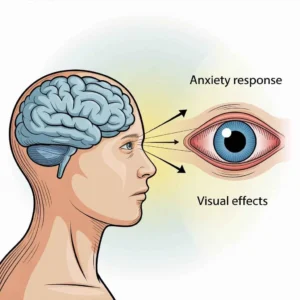
Can anxiety cause blurred vision? Yes. When your body is in fight or flight mode, blood is redirected to your muscles. Your eyes can become strained and your vision may blur temporarily. This is a stress response, not an eye problem.
How to Stop the Fatigue Cycle
Deep Breathing
Deep breathing is one of the fastest ways to calm your nervous system. When you breathe slowly and deeply, you activate the parasympathetic nervous system. This signals your body that it is safe to rest.
Try four counts in, hold for four, out for six. Even five minutes of this can lower cortisol and improve energy levels.
Consistent Sleep Schedules
Consistent sleep schedules help regulate your body clock. Going to bed and waking up at the same time each day reduces sleep disturbance and improves the quality of rest your body gets.
Avoid screens an hour before bed. Keep your room cool and dark. These small steps have a measurable impact on sleep patterns and anxiety.
Physical Activity
Physical activity burns off excess cortisol and adrenaline. Even a 20-minute walk helps reset your nervous system. Regular exercise also boosts mood-regulating chemicals like serotonin, which lowers anxiety levels naturally.
You do not need a gym. Consistent movement matters more than intensity.
Balanced Diet
A balanced diet stabilizes blood sugar, which directly affects mood and energy levels. Anxiety can spike when blood sugar drops. Eating regular meals with protein, healthy fats, and complex carbohydrates keeps your body stable and better equipped to handle stress.
Relaxation Techniques
Relaxation techniques like progressive muscle relaxation, mindfulness, and guided meditation help break the cycle of anxiety and fatigue. These practices train your nervous system to shift out of the stress response more easily over time.
When to Consider Medication
Some people ask: Does Wellbutrin help with anxiety? Wellbutrin (bupropion) is primarily an antidepressant. While it is sometimes prescribed off-label for anxiety, it is not a first-line treatment. It works by affecting dopamine and norepinephrine levels.
Whether it is right for you depends on your symptoms and history. A licensed professional should guide this decision. Never adjust or start medication without medical oversight.
Does Anxiety Cause Tiredness? The Short Answer
Does anxiety cause tiredness? Yes, repeatedly and intensely. The can anxiety make you tired question has a clear clinical answer: yes, through multiple biological and psychological pathways.
Managing anxiety properly is the only real solution. That means addressing the root cause, not just the fatigue.
Seeking Professional Help
Seeking professional support is not a sign of weakness. It is the most effective step you can take.
At MRSC Solutions, we offer specialized Anxiety Treatment West Palm Beach services that address both the mental and physical dimensions of anxiety. Our team provides evidence-based care including cognitive behavioral therapy, group support, and personalized treatment plans to help you break the fatigue cycle for good.
You deserve to feel like yourself again. Our approach is built around real people with real problems, not generic advice.
Conclusion
Does anxiety make you tired? Without question. Anxiety puts your body through a constant physical and mental workout through elevated stress hormones like cortisol, disrupted sleep patterns, mental fatigue from anxiety, and muscle tension. Can anxiety cause extreme tiredness? Yes, and it often does.
The good news is that with the right support, better relaxation techniques, physical activity, and consistent sleep schedules, you can take your energy back. If you are ready to stop living in exhaustion, Contact us today and explore our Anxiety Treatment West Palm Beach programs built for lasting recovery.
Frequently Asked Questions
Can anxiety make you tired even after sleeping?
Yes. Anxiety can keep your nervous system in a constant state of stress, which prevents truly restorative sleep. Even after 7–8 hours in bed, many people still wake up feeling mentally and physically exhausted.
Can anxiety cause extreme tiredness and fatigue?
Absolutely. Chronic anxiety increases stress hormones like cortisol and adrenaline, forcing your body to stay alert for long periods. Over time, this drains your energy and can lead to severe fatigue and burnout.
Why does anxiety make you feel exhausted all the time?
Anxiety uses a large amount of mental and physical energy. Constant worry, racing thoughts, muscle tension, and disrupted sleep patterns all contribute to ongoing exhaustion and low energy levels.
Does anxiety affect sleep quality?
Yes. Anxiety commonly causes sleep disturbance, trouble falling asleep, frequent waking, and restless sleep. Poor sleep quality then worsens anxiety symptoms, creating a cycle of anxiety and fatigue.
What does anxiety fatigue feel like?
Anxiety fatigue often feels like constant tiredness, brain fog, lack of motivation, difficulty concentrating, body heaviness, and emotional exhaustion even without intense physical activity.
Can stress hormones cause tiredness?
Yes. Elevated stress hormones like cortisol can disrupt your body’s natural energy balance, increase inflammation, and overwork your nervous system, which eventually leads to fatigue.