
depression treatment
What is Wet Brain? Causes, Symptoms, Stages, and Treatment
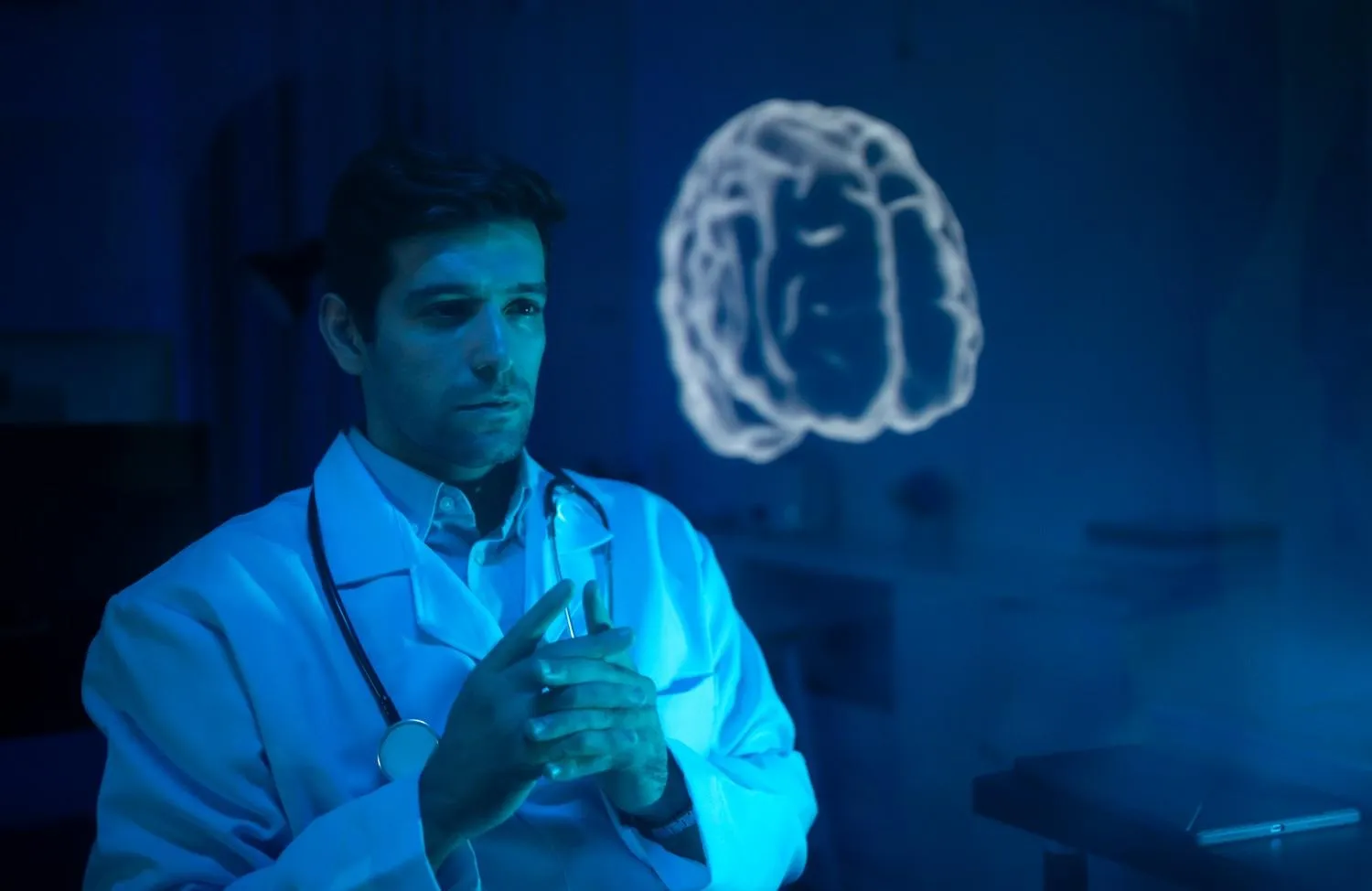
Millions of people struggle with long-term, heavy drinking without knowing the serious damage it causes inside the brain. What is Wet Brain? It is a severe neurological disorder caused by Vitamin B1 deficiency that comes from chronic alcohol abuse. It destroys memory, thinking, and coordination and it can be permanent.
This condition is often misunderstood or dismissed until it is too late. Understanding it early can save a life.
Wet Brain Meaning and Definition
The wet brain meaning is simple: it refers to Wernicke-Korsakoff syndrome, a two-part brain condition. The wet brain definition comes from how the brain appears during this illness swollen and damaged from alcohol-related inflammation and severe nutritional deficiency.
Wernicke encephalopathy is the first and more urgent phase. It causes sudden, severe symptoms that need fast medical attention. Korsakoff syndrome is the second phase, a long-term, often irreversible condition that follows if Wernicke encephalopathy is left untreated.
Together, they are known as Wernicke-Korsakoff syndrome. Both stages are directly linked to Vitamin B1 deficiency, also called thiamine deficiency. Alcohol blocks the body from absorbing thiamine, a nutrient the brain needs to function properly.
Why Is It Called Wet Brain?
Why is it called wet brain? The name comes from the physical appearance of brain tissue in people with this condition. Chronic alcohol use causes brain inflammation and fluid buildup that changes the brain’s structure. When examined medically, the tissue looks “wet” or waterlogged compared to healthy brain tissue.
It is also sometimes used as a street term in addiction recovery communities. The term is informal but widely recognized as pointing to alcohol-induced dementia and alcohol-related brain damage.
What Causes Wet Brain?
- The root cause is a lack of thiamine vitamin b1.
- But alcohol is the main trigger. Here is why. Long term alcohol use damages the lining of the stomach and intestines. That damage stops the gut from absorbing thiamine properly. At the same time, people with alcohol use disorder often replace real meals with alcohol. This leads to poor nutrition and an almost complete loss of thiamine intake.
People with eating disorders can also develop thiamine deficiency. However, alcohol consumption is by far the most common driver of wet brain syndrome. Studies show that up to 80% of people with severe alcohol addiction have some degree of thiamine deficiency.
What Are the First Signs of Wet Brain?
What are the first signs of wet brain? Most people notice symptoms in three key areas first:
Confusion and disorientation: The person seems mentally foggy, cannot follow conversations, or does not know where they are. This is often the most visible early sign.
Eye movement problems: Rapid, uncontrolled eye movements or drooping eyelids appear with little warning.
Balance and walking issues: Sudden difficulty standing or walking in a straight line, unrelated to being actively drunk.
These are the hallmark signs of Wernicke encephalopathy. At this stage, the condition is still treatable. Missing these signs leads directly into Korsakoff syndrome, where the damage becomes much harder to reverse.
The Two Stages of Wernicke Korsakoff Syndrome
Stage 1: Wernicke’s Encephalopathy
Wernicke’s Encephalopathy is the acute or sudden-onset phase. It is a medical emergency. The brain is not getting enough thiamine and begins to shut down in key areas.
The classic symptoms of Wernicke Korsakoff syndrome in this stage include:
- Confusion and disorientation: the person seems lost in familiar places.
- Eye movement problems: uncontrolled twitching or paralysis of the eye muscles.
- Loss of coordination: walking becomes unsteady, almost like alcohol intoxication.
- Nutritional support: deficit the body is visibly malnourished.
Many emergency rooms miss this stage because symptoms overlap with heavy intoxication. If a doctor gives thiamine injections at this point, recovery is possible. If not, the condition moves to stage two.
Stage 2: Korsakoff Psychosis
Korsakoff Psychosis is what most people picture when they hear wet brain syndrome. At this stage, the brain damage has moved from temporary to permanent in many areas.
The defining sign is severe memory impairment. People cannot form new memories. They experience memory gaps and fill them in with made-up stories, a process called confabulation. They are not lying. Their brain is inventing details to cover what it cannot recall.
Other signs include:
- Memory loss for recent events, sometimes stretching back years.
- Personality changes flat emotion, lack of motivation.
- Inability to learn new information or follow instructions.
- Hallucinations in some cases.
What Happens When a Wet Brain Goes Untreated?
Untreated wet brain is life-threatening. Research from the National Institute on Alcohol Abuse and Alcoholism shows that without treatment, up to 20% of people with Wernicke’s Encephalopathy die. Those who survive without nutritional support often face permanent cognitive damage.
When wet brain is left untreated, brain regions that handle memory, movement, and vision deteriorate further. Daily functioning becomes impossible. The person can no longer care for themselves. Long-term care or hospitalization becomes necessary.
This is why early intervention for alcohol use disorder is not optional. It is urgent.
How is Wet Brain Diagnosed?
Diagnosing what is wet brain syndrome requires a combination of approaches. No single test confirms it. Doctors look at the full picture.
A clinical exam checks for the three classic signs: confusion, eye problems, and poor coordination. Blood tests measure thiamine levels. Brain imaging (MRI) can show damage in specific regions like the thalamus and mammillary bodies. A detailed history of alcohol consumption and poor nutrition is also key.
The challenge is that many people with alcohol use disorder cycle in and out of emergency care. Symptoms get dismissed as alcohol intoxication. Families and care providers need to push for a thiamine check when someone shows sudden cognitive decline after long term alcohol use.
Can a Wet Brain Be Treated or Reversed?
Yes, but only partially in most cases. The answer depends on how early treatment begins.
In the Wernicke’s stage, high-dose thiamine vitamin b1 given through an IV can reverse symptoms within days. Eye movement problems often improve first. Coordination follows. Confusion may clear slowly over weeks.
Once Korsakoff Psychosis sets in, memory impairment is harder to undo. Around 25% of people show significant improvement with sustained nutritional support and abstinence from alcohol. Another 50% show partial improvement. The remaining 25% face permanent memory loss.
Treatment also includes:
- Stopping alcohol use completely: continued alcohol consumption guarantees worsening.
- Nutritional rehabilitation: restoring thiamine and other B vitamins through diet and supplements.
- Mental health support: including therapy and sometimes Group Therapy for Anxiety to address co-occurring conditions.
- Psychiatric evaluation: How Does Online Psychiatry Work is a common question for families who cannot access in-person care; telehealth now makes this accessible in most states.
What is Wet Brain Syndrome vs. Other Alcohol-Related Brain Conditions?
People sometimes confuse what is wet brain with other alcohol-related brain issues. Here is a quick breakdown.
Alcoholic dementia is broader. It includes general cognitive decline from years of alcohol consumption. Wernicke Korsakoff syndrome WKS is a specific subset caused by thiamine deficiency.
Alcohol-related brain damage (ARBD) is an umbrella term. Wet brain syndrome falls under it. But not all ARBD involves thiamine loss. Some damage comes from direct toxic effects of alcohol on brain cells.
Understanding the difference matters because treatment paths vary. Wet brain meaning is specifically tied to thiamine deficiency. That means it is the most preventable form of alcohol-related brain damage, if caught in time.
How MRSC Solutions Supports Recovery
MRSC Solutions offers evidence-based care for people facing alcohol use disorder and its consequences. If you or someone you love is showing signs of a wet brain, professional help is the only path forward.
Our Depression Treatment West Palm Beach program addresses the co-occurring mental health conditions that often come alongside long-term alcohol addiction. Alcohol dependency rarely travels alone. Depression, anxiety, and cognitive impairment often arrive together.
We pair medical stabilisation with therapeutic support. That includes structured nutritional support, psychiatric evaluation, and ongoing counselling. Our team understands that families watching a loved one spiral need answers and action, not just information.
Prevention Is the Best Treatment
The most effective way to avoid what is wet brain is to address alcohol use disorder before it reaches this stage. That means treating heavy drinking as a health crisis, not a character flaw.
Eating a thiamine-rich diet helps, but it is not a shield if alcohol consumption continues. Foods like whole grains, legumes, and lean meats support thiamine levels. But the body cannot absorb them properly if alcohol is still in the picture.
For people already in recovery, thiamine supplements prescribed by a doctor are often part of a long-term nutritional support plan. Regular monitoring of thiamine levels should be standard for anyone with a history of long term alcohol use.
Conclusion
What is Wet Brain? It is one of the most serious consequences of long-term alcohol addiction and one of the most preventable if caught in time. Wernicke encephalopathy is a medical emergency. Korsakoff syndrome is a life-altering, often permanent condition.
Both begin with a Vitamin B1 deficiency that alcohol directly causes. The good news is that with early treatment, some recovery is possible. If you or someone you love is showing these signs, do not wait. Contact us today and speak with a professional who can help.
FAQs About Wet Brain
What is Wet Brain syndrome?
What is wet brain syndrome is a serious brain disorder caused by a severe lack of thiamine vitamin b1. It is medically known as Wernicke Korsakoff syndrome wks and is strongly linked to alcohol use disorder and long term alcohol misuse.
What is a wet brain in simple words?
What is a wet brain means alcohol-related brain damage that affects memory, thinking, and coordination. The condition develops when the brain does not get enough vitamin B1 for a long time.
Is wet brain caused only by alcohol?
Most cases happen because of heavy drinking and chronic alcohol consumption. Still, severe poor nutrition, digestive disease, and some eating disorders can also cause thiamine deficiency and increase the risk.
What are the early symptoms of Wernicke Korsakoff syndrome?
Common symptoms of wernicke korsakoff syndrome include confusion, blurry vision, poor balance, shaking, and sudden memory gaps. Early treatment is important because the condition can worsen fast.
Can wet brain be reversed?
Some symptoms improve if treatment starts early during wernicke s encephalopathy. Doctors often use high-dose thiamine vitamin b1 and nutritional support. Severe memory impairment may become permanent if the damage progresses too far.
What happens if wet brain is left untreated?
When left untreated, the condition may cause permanent memory loss, confusion, and serious cognitive decline. In severe cases, untreated wet brain can become life-threatening.
How do doctors diagnose wet brain syndrome?
Doctors diagnose wet brain syndrome through physical exams, brain imaging, blood tests, and a history of alcohol use disorder or poor nutrition. Symptoms are sometimes mistaken for alcohol intoxication, which delays treatment.
Can younger people develop wet brain?
Yes. While it is more common in older adults with long term alcohol misuse, younger people with severe drinking habits, malnutrition, or eating disorders can also develop the condition.