





Teenagers today deal with more than most adults realize. From mental health struggles to intense peer pressure, the teenage years can feel like walking through a storm every single day. Understanding common problems teenagers face is the first step toward actually helping them.
These aren’t small issues. Many teens feel alone, misunderstood, or simply unable to cope. When left unaddressed, these problems teens carry can turn into something much harder to manage.
Why Teen Mental Health Is a Growing Crisis
Teen mental health has shifted dramatically over the past decade. According to the CDC, nearly 1 in 3 high school students reported persistent feelings of sadness or hopelessness in recent years. This is not just a phase.
Today’s teens face pressures that previous generations never encountered: constant digital comparison, academic competition, and broken family communication all collide at once. The result? Stress that can feel overwhelming on a daily basis.
If you’ve been searching for teen mental health news, the pattern is clear: anxiety and depression in young people are rising, and the causes are deeply connected to modern life.
Related: Mental Health Activities for Teens
1. Teen Anxiety and Depression
Teen anxiety and depression are among the most serious things teens struggle with today. These aren’t just bad moods, they are clinical conditions that affect how a teen thinks, sleeps, eats, and functions.
Signs to watch for include mood swings affecting life, withdrawal from friends, difficulty focusing, and persistent anxiety that doesn’t ease with rest. Some teens experience severe depression signs such as hopelessness, loss of interest in everything they once loved, or even suicidal thoughts.
Many parents ask: when is it time to get professional help? If your teen shows signs of spiraling meaning their mental state is declining fast it’s important to act. Understanding spiraling meaning mental health helps you identify when things have gone beyond normal stress.
When to see a psychiatrist versus a therapist is a common question. A psychiatrist vs psychologist comparison matters here: psychiatrists are medical doctors who can handle therapy vs psychiatric care and who can prescribe medication, while psychologists focus on talk therapy. Both play important roles.
At MRSC Solutions, our Anxiety Treatment West Palm Beach service connects teens and families with qualified professionals who provide real, evidence-based support.
2. Peer Pressure and Social Acceptance
Peer pressure and social acceptance shape almost every decision a teenager makes. From the clothes they wear to the friends they choose, the fear of rejection runs deep.
Peer pressure doesn’t always look like someone saying “just do it.” It often shows up as silence not speaking up, not being yourself, or changing who you are to fit in. This is one of the problems teenagers face that quietly chips away at self-worth.
Many teens turn to drug and alcohol use not out of curiosity, but out of social pressure. They want to belong. They want to feel accepted. This is why it’s critical for parents and educators to build trust with teens before these situations arise.
When teens feel safe talking to adults, they are less likely to make harmful choices to impress others.
3. Self-Esteem and Body Image Issues
Self-esteem and body image issues have become major problems teenagers face today. Social media has turned body comparison into a daily habit for millions of teens.
Body image problems often start online. Teens scroll through carefully filtered photos and start believing those images are real. The result is a crushing sense of “not being enough.”
How is social media affecting teenagers on this front? Research consistently shows that higher social media use is linked to lower self-esteem, especially among teen girls. The comparison culture where everyone’s life looks perfect except your own feeds low confidence and negative self-talk.
Teens dealing with self-esteem and body image issues often pull back from social activities, avoid certain clothes, or develop unhealthy relationships with food and exercise. These are warning signs, not personality traits.
4. Academic Pressure and Fear of Failure
School is supposed to be a place of growth. For many teens, it has become a source of constant fear.
Academic pressure is one of the biggest challenges teens face right now. Teens are expected to earn top grades, join multiple clubs, volunteer, and still plan for a perfect future all before age 18.
This relentless pressure leads to burnout, lost motivation, and in many cases, severe depression signs triggered by the fear of disappointing parents or falling behind peers.
Teens who internalize failure as proof of their worth often develop persistent anxiety that follows them into adulthood. Teaching teens that mistakes are part of learning not evidence of failure is one of the most powerful things a parent or teacher can do.
5. Social Media and Digital Overload
Social media is one of the most debated problems teenagers face today. It connects teens to the world. It also traps them in a cycle of validation-seeking that is hard to break.
How is social media affecting teenagers mentally? The dopamine loop created by likes, comments, and shares hijacks the brain’s reward system. Teens start to equate their value with online engagement. When posts go unnoticed, it triggers real emotional pain.
Beyond self-esteem, heavy social media use disrupts sleep patterns, one of the most overlooked things teens struggle with. Poor sleep makes teen anxiety and depression worse. It affects focus, memory, and mood.
The fix isn’t banning phones. It’s helping teens understand their digital habits and set healthy boundaries around screen time. Start with no phones before bed. Create offline rituals that rebuild real-world connections.
6. Bullying and Cyberbullying Issues
Bullying and cyberbullying issues have changed in the digital age. Bullying used to end when school ended. Now it follows teens home through their screens.
Cyberbullying can include public humiliation, exclusion from group chats, spreading rumors, or sending threatening messages. The anonymity of the internet makes bullies bolder and victims more vulnerable.
Teens who experience bullying and cyberbullying issues often show signs of persistent anxiety, school avoidance, or sudden changes in behavior. Parents should learn to recognize these signs early.
Schools and parents must work together to create safe environments where teens feel comfortable speaking up. Silence protects bullies. Open conversation protects teens.
7. Identity Confusion and Purpose
One of the quieter problems teenagers face is not knowing who they are. This is completely normal and also deeply uncomfortable.
Teens are forming their identity while simultaneously being told what to believe, who to be, and what to want. The pressure from family, culture, social media, and school can create identity confusion that leaves teens feeling lost.
This often shows up as mood swings affecting life, withdrawal, or testing different friend groups and belief systems. Rather than correcting this, the healthiest response is to offer stability and support without judgment.
Mental health activities for teens like journaling, creative expression, volunteering, and structured sports can help teens build a sense of self that doesn’t depend on outside approval.
8. Family Conflict and Communication Gaps
One of the most painful problems teenagers face is feeling unseen by the people who are supposed to know them best, their family.
Teens often describe feeling like parents lecture instead of listen. Parents often feel like teens shut them out. Both sides are usually right. The communication gap is real.
This disconnect matters because teens who feel misunderstood at home are more likely to seek belonging in the wrong places. They become more vulnerable to peer pressure and social acceptance issues, risky behavior, and isolation.
The path forward starts with curiosity. Ask questions. Listen without immediately solving. When teens know they won’t be judged, they talk.
Why These Problems Are Rising
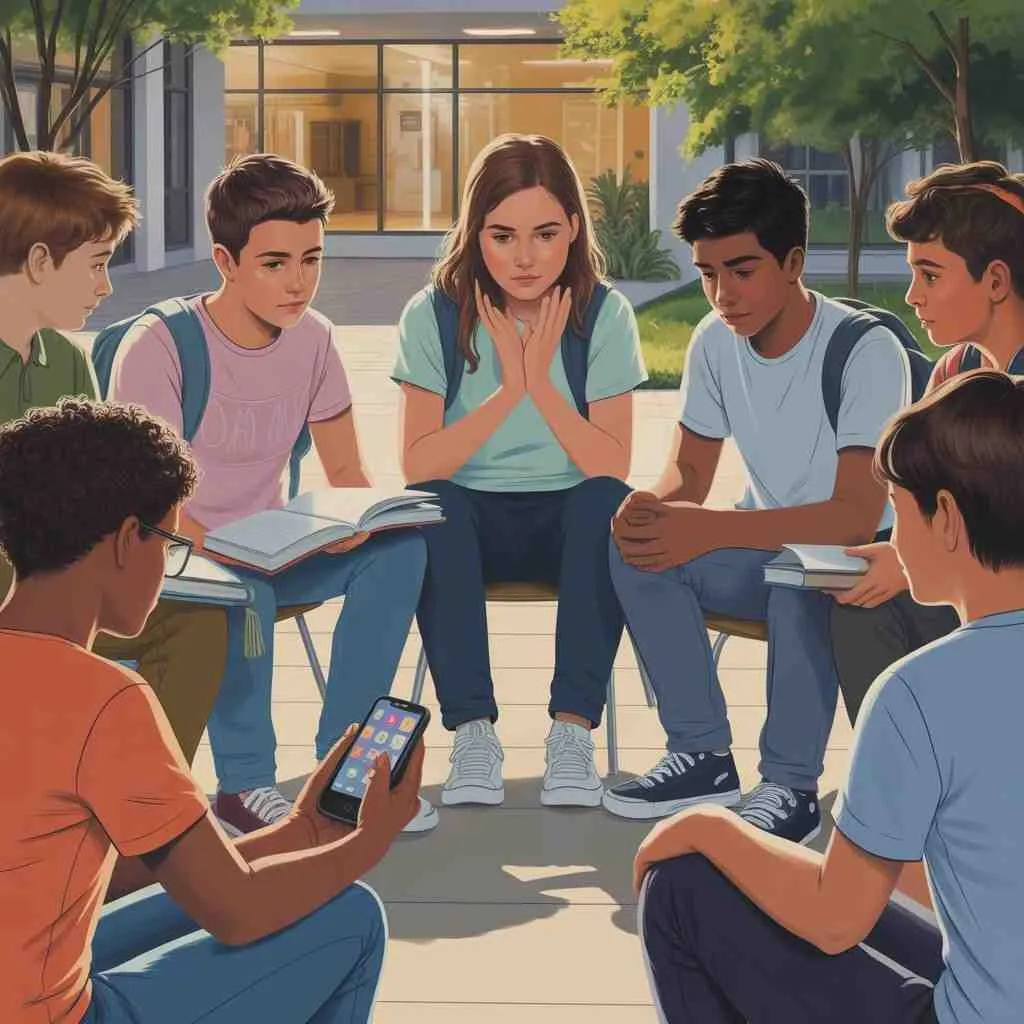
Several forces are driving the increase in problems faced by teenagers today.
Biological changes
during adolescence alter brain chemistry. The prefrontal cortex responsible for decision-making is still developing until age 25. Teens feel everything intensely but lack the tools to regulate those feelings.
Technology and screens
have fundamentally changed how today’s teens socialize, learn, and sleep. Blue light disrupts melatonin production. Constant notifications interrupt deep rest. Social comparison happens 24/7.
Family stress and socioeconomic pressure
expose teens to adult problems they are not equipped to handle. Financial instability, parental conflict, or community violence all contribute to behavioral issues in teens.
Trauma exposure whether from abuse, loss, or community violence creates deep emotional wounds. Without proper support, trauma can trigger anxiety, depression, and risky behavior.
Real-World Impact of Teen Problems
When issues that teens face go unaddressed, the consequences reach far.
- School performance declines. Attendance drops. Graduation rates fall.
- Friendships break down. Isolation sets in.
- Family relationships suffer. Communication shuts down.
- Long-term mental health risks increase significantly when symptoms are ignored in adolescence.
Teenage social and emotional problems do not resolve on their own. They evolve often into adult mental health disorders, relationship difficulties, or substance dependence.
Warning Signs Parents Should Know
Catching problems early matters. Watch for these warning signs:
- Sudden mood changes or emotional withdrawal
- Declining grades or school avoidance
- Changes in sleep or eating patterns
- New or secretive friend groups
- Loss of interest in hobbies
- Signs of drug and alcohol use
- Expressions of hopelessness or worthlessness
Not every symptom means a crisis. But patterns matter. When multiple warning signs appear together and persist, it is time to act.
When to Seek Professional Help
Some situations require professional support, not just conversations at home.
Seek help when:
- Anxiety and depression symptoms last more than two weeks
- Academic performance has noticeably declined
- A teen withdraws from all social interaction
- There are signs of self-harm or dangerous behavior
- A teen expresses thoughts of suicide or harming others
Red flags for crisis intervention include direct statements about suicide, giving away possessions, or sudden calm after prolonged distress. These require immediate action.
Call 988 (Suicide & Crisis Lifeline) immediately if your teen is in crisis.
Evidence-Backed Strategies That Actually Work
For Teens
Building healthy daily routines supports emotional stability. Sleep, nutrition, and physical movement all affect mental health directly. Mindfulness practices even five minutes a day help teens manage anxiety and emotional reactivity.
Learning to limit screen time voluntarily is a skill. Encourage offline activities: sports, art, journaling, or volunteer work. These build identity and confidence.
For Parents and Caregivers
Open communication is the foundation. Ask questions without judgment. Listen more than you speak. Avoid minimizing what your teen feels, even if it seems small to you.
Family involvement in mental and emotional health has a direct effect on teen outcomes. Studies show teens with strong parental connections report lower rates of depression and substance use.
Watch for behavioral changes, not just emotional ones. Teens often show distress through actions before words.
Why Professional Help Matters
When symptoms persist or start affecting daily functioning, a mental health professional can make a significant difference. Psychiatrists, therapists, and counselors are trained to identify root causes and build targeted treatment plans.
Telehealth options have made this more accessible than ever. Teens can access care from home, reducing stigma and transportation barriers.
At MRSC Solutions, our team specializes in adolescent psychiatric care and Anxiety Treatment West Palm Beach and surrounding areas. We offer personalized evaluations and ongoing support for teens and families navigating these challenges. Whether your teen needs individual therapy, medication management, or group therapy for anxiety, our clinicians build plans that fit your family’s needs.
Trusted Resources and Support
- 988 Suicide & Crisis Lifeline: Call or text 988 (US residents)
- Crisis Text Line: Text HOME to 741741
- NAMI (National Alliance on Mental Illness): nami.org
- CDC Adolescent Mental Health: cdc.gov
- WHO Adolescent Health Resources: who.int
Apps worth exploring include Calm, Headspace, and Woebot all designed to support teen mental health through accessible tools.
Conclusion
Common problems teenagers face are real, serious, and treatable. From teen anxiety and depression to bullying and cyberbullying issues and body image struggles, today’s teens are navigating one of the hardest periods of life. The good news is that with the right support at home, at school, and through professional care teens can and do get better. If your teen is struggling, Contact us today. Our Anxiety Treatment West Palm Beach team is ready to help your family take the next step.
Frequently Asked Questions
What are the most common problems teenagers face today?
The most common issues include Teen anxiety and depression, Peer pressure and social acceptance, Bullying and cyberbullying issues, and Self-esteem and body image issues. Many teens also struggle with sleep patterns, academic stress, and social media pressure.
Why do teens feel overwhelmed so easily?
Teens often feel overwhelmed due to emotional changes, school pressure, and constant comparison online. These problems teenagers face today can build up, leading to persistent anxiety and stress that feels hard to control.
How is social media affecting teenagers’ mental health?
How is social media affecting teenagers is a major concern. It can lower confidence, disrupt sleep patterns, and increase comparison. This often worsens mental health, especially in teens already dealing with Self-esteem and body image issues.
What are the warning signs of serious mental health problems in teens?
Look for severe depression signs such as constant sadness, withdrawal, mood swings affecting life, and loss of interest in daily activities. In serious cases, teens may have suicidal thoughts, which require immediate attention.
When should parents worry about teen behavior?
Parents should be concerned when changes last more than two weeks or affect daily life. If a teen is showing signs of when someone is spiralling, such as emotional breakdowns or isolation, it is time to act.
When to see a psychiatrist for a teenager?
Knowing when to see a psychiatrist is key. If symptoms are severe, long-lasting, or include suicidal thoughts, professional help is needed. A psychiatrist vs psychologist difference matters here, especially since psychiatrists are who can prescribe medication.
What is the difference between therapy and psychiatric care?
In simple terms, therapy vs psychiatric care means therapy focuses on talking and coping skills, while psychiatric care may include diagnosis and medication. Both can help with problems teens face depending on severity.