
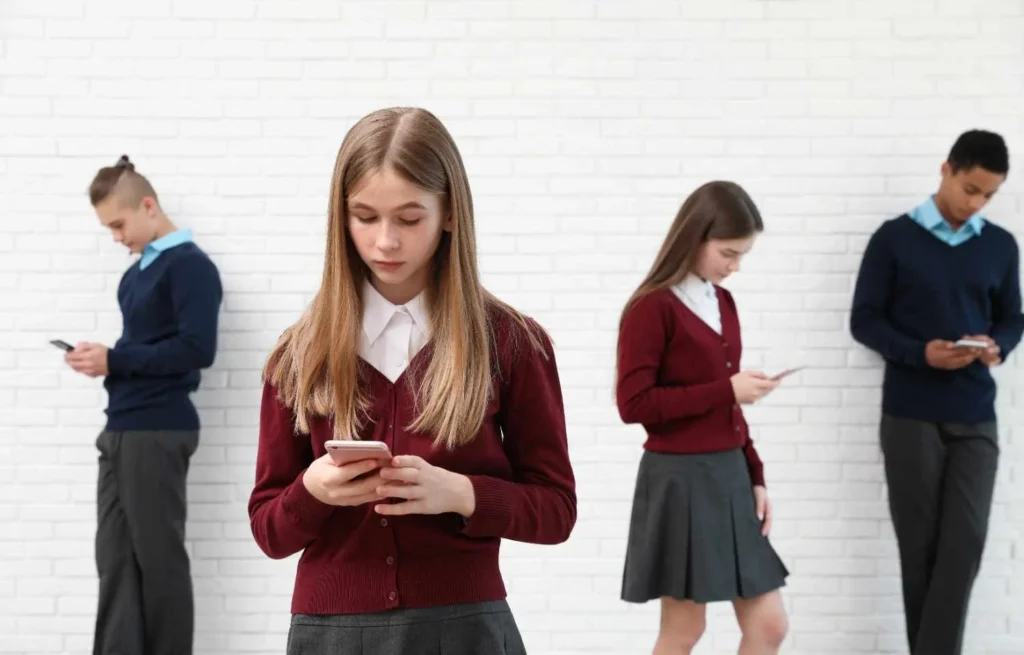




How is social media affecting teenagers is a question every parent, teacher, and doctor should be asking right now. Teens today spend an average of 4.8 hours daily on social platforms and the mental, emotional, and physical effects of that time are no longer subtle. From sleep loss to persistent anxiety and severe depression signs, the data is clear: something serious is happening to this generation.
But the story is not all bad. Social media also gives teens a way to connect, create, and find support. The goal is to understand both sides clearly so families can make smarter choices, recognize warning signs early, and set healthy boundaries before small problems turn into bigger ones.
What Does the Research Say? Teen Social Media Addiction Statistics 2026
The numbers behind teen social media addiction statistics 2026 paint a clear picture. According to a 2025 Pew Research Center survey, 48% of U.S. teens now say social media has a mostly negative effect on people their age. That number was just 32% in 2022. At the same time, 45% of teens admit they spend too much time on these apps.
Impact of social media on teenage mental health shows up in other hard numbers too:
- Teens using social media 3+ hours daily face roughly twice the risk of depression and anxiety.
- 7 out of 10 teens who use platforms for more than 5 hours per day show a greater risk of suicidal thoughts.
- Girls are more likely than boys to say social media hurt their confidence (20% vs. 10%) and sleep (50% vs. 40%).
- 40.6% of young people report that social media significantly disrupts their sleep.
These are not abstract risks. They describe real teenagers, sitting in real classrooms and homes, quietly struggling with issues they often cannot name. Effects of social networking sites on adolescents are showing up in emergency rooms, school counselors’ offices, and psychiatrists’ practices every day.
How Does Social Media Affect Teenagers? The Core Mental Health Impact
How does social media affect teenagers’s mental health and behavior? It starts with the brain. Teens’ brains are still developing especially the parts that control decision-making, emotional regulation, and impulse control. Social platforms are designed to exploit that. Every like, comment, and notification triggers a small dopamine hit, training young brains to keep coming back.
Anxiety and Depression
This is the most documented effect. Social media influence on teen behavior and emotions shows up as persistent anxiety when teens constantly compare their lives to highlight reels online. Feeling “not good enough” becomes a daily experience for many. When that anxiety is ignored, it can deepen into severe depression signs withdrawal, loss of interest, hopelessness.
One study found that depression appears as a significant outcome in 27.9% of studies on childhood and adolescent social media use. That is a stunning figure. For teens already dealing with common problems teenagers face school pressure, social struggles, family issues social media can push them past their limit.
Body Image and Self-Worth
Filtered photos and beauty trends dominate platforms like Instagram and TikTok. Teen girls in particular are exposed to a constant stream of idealized bodies. Research shows this drives disordered eating, negative self-image, and mood swings affecting life on a daily basis. Boys are not immune either exposure to idealized masculinity creates its own pressure.
Sleep Disruption
Screens at night are a major driver of poor teen health. Blue light suppresses melatonin. Exciting content keeps the brain alert. 10% of teens check their phones more than 10 times per night. Poor sleep feeds anxiety, weakens focus, and worsens emotional stability. It is a cycle that is hard to break without outside help.
What Are the Positive and Negative Effects of Social Media on Teens Today?
What are the positive and negative effects of social media on teens today? The honest answer is: both are real.
The Positive Side
74% of teens say social media makes them feel more connected to their friends. For teens who are isolated, have social anxiety, or belong to minority communities, online spaces can offer real belonging. LGBTQ+ teens, for example, often find their first community online long before they find one in person.
Social media also supports creativity and learning. 63% of teens say platforms give them a place to show off their creative side. Academic communities, mental health awareness accounts, and peer support groups are real and valuable. 34% of teens say they get mental health information from social media which can be a first step toward seeking real help.
The Negative Side
Cyberbullying remains severe. 60% of Instagram users experienced or saw bullying in a single week, according to an internal Meta survey. Harassment, public shaming, and exclusion happen fast online and the damage stays visible.
Misinformation also spreads through teen feeds. False health advice, dangerous trends, and harmful content about weight loss or self-harm are just clicks away. These represent serious digital media effects on youth development that many parents underestimate.
Social Comparison and Body Image Crisis
Instagram and TikTok are built on visual content. Filters, editing apps, and curated aesthetics create an impossible standard of appearance. For teenage girls especially, the gap between the “Instagram vs. reality” distortion becomes a source of real pain.
Self-esteem and body image issues: are among the most documented negative impacts of social media on adolescents. The Royal Society for Public Health found that Instagram in particular was ranked as the most harmful platform for young people’s body image and mental well-being.
Peer comparison culture: tells teens that their worth is determined by how they look, who follows them, and what their life appears to be. The result is self-esteem degradation that, for many teens, bleeds into how they see themselves in every area of life.
Cyberbullying and Online Harassment
Anonymity changes how people treat each other. Online, without face-to-face consequences, cruelty becomes easier. Cyberbullying and online harassment affect nearly 37% of young people between the ages of 12 and 17, according to the Cyberbullying Research Center.
The emotional effects of social networking platforms go deep when bullying is involved. Teens who are targeted online often experience emotional trauma consequences that include withdrawal from social life, school avoidance, depression, and in severe cases, suicidal ideation.
Unlike physical bullying, cyberbullying follows teens home. There is no safe space. This is one of the most critical reasons why teen mental health news continues to feature social media as a top risk factor.
Warning Signs of Social Media Addiction in Teens
Parents and educators should watch for these signs:
- Extreme irritability or anger when the phone is taken away, pointing to withdrawal symptoms without phone
- Consistent sleep deprivation due to late-night use
- Frequent mood swings tied to online activity, especially after checking followers or likes
- Compulsive checking behavior even in the middle of conversations or meals
- Loss of interest in hobbies or activities that do not involve a screen
- Declining school performance with no other clear explanation
If several of these signs appear together, it may be time to seek professional guidance. Group therapy for anxiety related to digital overuse is now offered by many mental health clinics, including those focused on common problems teenagers face in the modern world.
What Parents Can Do Today: A Practical Checklist
You do not need to overhaul everything at once. Start with small, consistent changes:
- Have one honest conversation this week about how social media makes your teen feel.
- Set one new phone boundary even just one hour earlier to bed.
- Look for one mental health activity for teens to try together.
- Research your teen’s top platforms and understand what content they serve.
- Know your school’s policy on phones and support it at home.
- Know the difference between psychiatrist vs psychologist if you need outside help.
- Do not dismiss small signs. Common problems teenagers face often begin quietly.
Solutions for Teenagers
Teens are not passive victims. They can learn to use social media more intentionally.
Screen time limits
Set inside the app settings or through device tools make a real difference when used consistently. A two-hour daily cap, for example, gives room for social connection without tipping into overconsumption.
Digital detox routines
Even short ones, reset the relationship with social media. A 24-hour break once a week, or a full weekend each month, helps teens discover that they do not need constant online stimulation to feel okay.
Healthy content consumption
Means teaching teens to ask who created this, why, and how it makes them feel. Following accounts that educate, inspire, or connect meaningfully is different from passively scrolling comparison content.
Offline engagement rebuilding
Is essential. Sports, music, art, volunteering, or any activity that provides real-world accomplishment and connection helps counterbalance what social media takes away.
Expert and Health Organization Perspective
The medical community has taken a clear position.
The Surgeon General’s advisory on youth mental health named social media as a contributing factor to the mental health crisis affecting American teenagers. It called for warning labels on social media platforms similar to those on tobacco products.
The Mayo Clinic recommends that parents discuss social media use openly, monitor for signs of depression or anxiety, and ensure teens maintain strong offline social lives.
Child psychologists emphasize that psychological impact of Instagram and TikTok usage is not the same for every teen. Those with pre-existing anxiety, depression, or low self-esteem are significantly more vulnerable to harm. Early intervention and professional support can make a major difference.
At MRSC Solutions, our team understands these pressures deeply. Through our Anxiety Treatment West Palm Beach services, we work with teenagers and families navigating the real mental health consequences of digital overexposure. If your teen is showing signs of anxiety, emotional instability, or social withdrawal, professional support is available. You do not have to figure this out alone.
Conclusion
How is social media affecting teenagers is not a simple question but the answers are becoming clearer every year. The evidence points to real mental health risks, especially with heavy or unmonitored use. At the same time, social media is not going away, and not every part of it is harmful. The goal is informed, structured use with adults actively involved.
If your teen is showing signs of persistent anxiety, severe depression, or struggling with habits they cannot control, do not wait. Talk to a professional. MRSC Solutions is here to help. Our Anxiety Treatment West Palm Beach program is designed to support teens and families with evidence-based, compassionate care. Conact us today and take the first step toward real change.
FAQs
Is social media bad for teenagers?
It is not inherently bad, but heavy and unmonitored use is clearly linked to higher rates of anxiety, depression, and poor self-esteem in teenagers. The risks increase with younger users and those with existing mental health vulnerabilities.
How much social media is too much?
Most child health experts recommend no more than one to two hours of recreational screen time per day for teenagers. More than three hours daily is consistently associated with negative mental health outcomes in research.
Can social media cause anxiety in teens?
Yes. Multiple peer-reviewed studies show a direct association between heavy social media use and increased anxiety symptoms in adolescents. The mechanisms include social comparison, cyberbullying, sleep disruption, and dopamine feedback loops.
What age is safe for social media?
The American Psychological Association recommends that children under 13 should not use social media. For teens aged 13 to 17, supervised and time-limited use is recommended, with ongoing parental involvement.